2026 Top Tips How to Protect Luggage During Airport Handling?

Time:2026-10-21 Author:Isabella
0%

Air travel can be stressful, especially when your suitcase disappears behind the check-in counter. Rough conveyor belts, tight loading spaces, sudden stacking, and repeated transfers can leave visible marks. In 2026, travelers need practical habits, not complicated promises. This guide explains how to protect luggage during airport handling with simple, realistic steps.

Strong luggage protection begins before leaving home. Choose a durable suitcase with reinforced corners, reliable wheels, and a secure handle. Check every zipper and lock carefully. A loose wheel can fail before the aircraft even departs. Use a bright strap or distinctive tag, but keep all personal information limited. Place fragile items inside clothing layers, away from the case walls. Photos of the suitcase and its contents can also support a clear claim if damage occurs.

Airport handling remains partly unpredictable. No suitcase stays perfect forever. That matters. Overpacking can strain zippers, while underpacking allows items to shift during movement. A balanced interior is safer than either extreme. Remove old baggage labels, follow airline weight guidance, and keep essential items in your carry-on when appropriate. After landing, inspect the wheels, shell, handle, and zipper before leaving the baggage area. Small cracks may become larger problems later. These recommendations combine common handling realities, careful preparation, and responsible travel practice. They cannot prevent every impact, but they can reduce avoidable damage and make problems easier to document.
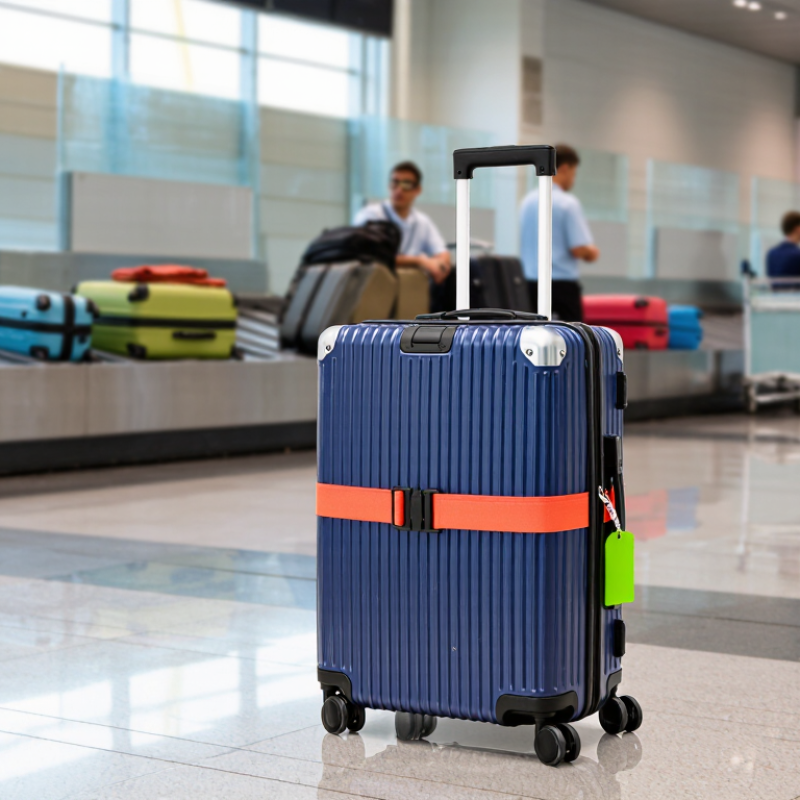
2026 Top Tips How to Protect Luggage During Airport Handling?

Understand the Main Risks Luggage Faces During Airport Handling

2026 Top Tips: How to Protect Luggage During Airport Handling

Airport handling exposes luggage to more than rough conveyor belts. Bags may be dropped during loading, squeezed in crowded carts, or delayed during aircraft transfers. The 2024 Baggage IT Insights report recorded 6.9 mishandled bags per 1,000 passengers in 2023, affecting about 36.1 million bags. Transfer handling remained a major risk, especially when flights changed quickly.

A practical check starts before leaving home. Photograph the suitcase, wheels, locks, and contents. Remove old baggage labels, then attach one clear identification card inside and outside. Use a strong strap, but avoid loose parts that can catch on belts. Hard-sided luggage may resist crushing, while soft luggage can absorb impact better. Neither option is perfect.

I once assumed a tight packing job offered enough protection. It did not. A broken wheel made a short airport transfer surprisingly difficult. Keep fragile items away from edges, fill empty space with clothing, and avoid overpacking zippers. Place essential medication and one change of clothes in your cabin bag. The same report found that mishandling rates have not returned to older low levels, reminding travelers that small preparation choices still matter.

2026 Top Tips: How to Protect Luggage During Airport Handling?

Understand the main risks luggage faces during airport handling. In 2023, delayed bags represented the largest share of mishandled baggage, followed by damage or pilferage and loss or theft.

To reduce handling risks, use a strong suitcase, remove old baggage tags, secure zippers with approved locks, avoid fragile items in checked luggage, and keep valuables and essential medication in your cabin bag.

Source: SITA, Baggage IT Insights 2024, reporting global baggage mishandling outcomes for 2023.

Choose Protective Luggage and Pack Items Securely

2026 Top Tips: How to Protect Luggage During Airport Handling?

Choose luggage with a rigid shell, reinforced corners, and smooth, recessed wheels. These features reduce damage from drops, scraping, and conveyor belts. Check every handle before departure. A loose handle can fail under sudden pulling.

Select a suitcase that fits your packing needs without forcing the zipper closed. Overfilled luggage places constant pressure on seams and locks. A little space matters.

Pack heavy items in the center, close to the wheels. Wrap glass containers and delicate electronics in clothing or padded sleeves. Keep sharp edges away from the outer shell.

Use small packing cubes to prevent movement inside the case. Liquid containers should stand upright inside sealed bags.

One leak can ruin several outfits. It happens more often than expected.

Remove old baggage tags before check-in. Add a clear contact card inside the suitcase, not only outside. Photograph the luggage and its contents before handing it over.

This record can support a reliable claim if damage occurs. Avoid hanging loose straps, ribbons, or accessories, because they may catch on handling equipment.

A luggage cover can help, but it is not armor. No suitcase is indestructible. Even careful packing has limits, and a rushed final check can still reveal a weak zipper or cracked wheel.

Use Locks, Straps, Labels, and Protective Covers Correctly

2026 Top Tips: How to Protect Luggage During Airport Handling

A secure suitcase begins with a correctly fitted lock. Choose a lock accepted for airport inspection in your travel region. Test the combination before leaving home. Never hide the code inside the luggage. Record it privately instead. Check every zipper, including small front compartments, because loose zippers can open during conveyor movement. A lock adds resistance, but it cannot prevent rough handling or misplaced bags.

Use a strong luggage strap around the case, not across a wheel or handle joint. Tighten it until the case feels stable, but leave no loose end. Dangling straps may catch on belts. I once tightened a strap too much and made the suitcase difficult to open. That mistake changed my routine. Now I test the strap after packing, then lift the case briefly by its main handle.

Write your name and mobile number on a durable label. Add a second label inside the suitcase with your travel itinerary. Avoid displaying unnecessary personal details. Remove old baggage tags before checking in. A fitted protective cover can reduce scratches, dust, and accidental zipper movement. Choose one that leaves wheels and handles fully usable. Inspect its seams before every trip. Small tears can grow quickly. A cover is helpful, though it is not armor. Carry a simple photo of the packed suitcase, because colors can look different under airport lighting.

2026 Top Tips: How to Protect Luggage During Airport Handling — Use Locks, Straps, Labels, and Protective Covers Correctly
Protection Measure Main Risk Addressed Correct Use Recommended Specification Inspection Point Priority Important Limitation
Lock Unauthorized opening and accidental zipper movement Secure every main zipper pull without over-tightening the zipper or placing the lock where it can catch on conveyor equipment. Use a durable, travel-suitable lock that complies with the screening requirements of the departure and transit airports. Check that the lock body, shackle, and zipper pulls are firmly attached and not cracked. High A lock does not prevent forced opening, theft, or damage caused by rough handling. Screening authorities may need to open checked baggage.
External Compression Strap Suitcase expansion, zipper separation, and accidental opening Wrap the strap around the case and tighten it firmly enough to support the shell without compressing fragile contents. Choose a wide, adjustable strap with a secure buckle and high-contrast color for easier identification. Verify that the buckle is fully closed and that the strap is not twisted, frayed, or hanging loose. High Loose straps can snag on conveyor systems. Remove or secure detachable straps if the airline or airport instructs you to do so.
Luggage Identification Label Misidentification or delayed recovery of a bag Place a durable external label on the handle and add a second identification card inside the luggage. Display the passenger’s name, mobile number, and email address; avoid displaying a full residential address on the outside. Make sure the contact details are current, readable, and protected from rain and abrasion. High An identification label improves recovery but does not replace the official baggage receipt or airline baggage tag.
Baggage Tag Check Routing errors and collection of the wrong bag At check-in, confirm that the printed destination code matches the final destination and retain the baggage receipt. Photograph or record the bag tag number and keep the receipt accessible during the journey. Before leaving baggage claim, compare the tag number and visual details with your luggage. High A correct tag cannot prevent handling damage, so inspect the case before leaving the baggage reclaim area.
Protective Luggage Cover Surface scratches, dirt, light rain, and minor scuffing Fit the cover tightly over the entire case while keeping wheels, handles, and required identification areas accessible. Use a close-fitting, washable cover with reinforced openings and visible access to the baggage tag. Check the seams, openings, and fasteners for tears or looseness before check-in. Medium A soft cover is not a substitute for rigid protection and may be removed during security screening or inspection.
Fragile-Item Protection Impact damage to breakable or delicate contents Place fragile items in the center of the luggage, cushion them on all sides, and prevent internal movement with clothing or packing material. Use a rigid inner container for delicate objects and avoid packing breakables against the suitcase shell. Shake the closed case gently; contents should not move freely or create pressure against the exterior. High Airlines may limit or exclude liability for fragile items in checked baggage. Carry valuable or irreplaceable items in cabin baggage when permitted.
Liquid and Leak Protection Spills, stains, and damage to clothing or electronics Close containers securely, place them in sealed leak-resistant bags, and separate liquids from electronics and documents. Use secondary containment for toiletries, food, and other liquids; leave space for pressure and temperature changes. Check caps, seals, and containers for cracks before packing. High Restricted liquids, aerosols, and dangerous goods must comply with current aviation and airport rules.
Handle and Wheel Check Breakage of high-stress external components Retract the telescopic handle, position wheels securely, and avoid attaching heavy objects to movable handles. Keep detachable accessories inside the luggage or secure them so they cannot snag during handling. Test wheels, handle buttons, and fixed handles before departure and after arrival. Medium Protective accessories cannot fully prevent damage to wheels, handles, or other exposed components.
Pre-Travel Documentation Difficulty proving condition or contents after damage or loss Photograph the exterior, identification tag, and valuable packed items before handing over the luggage. Record the approximate contents and keep purchase evidence for high-value items where practical. Store photos and receipts in a secure digital location that is accessible during travel. Medium Documentation supports a claim but does not guarantee reimbursement; claim deadlines and coverage depend on the applicable airline and travel policy.
Post-Arrival Inspection Missed damage claims and delayed reporting Inspect the shell, zippers, wheels, handles, straps, and contents immediately at baggage claim. Report visible damage or missing contents promptly through the airline’s official baggage service process. Keep the damaged bag, baggage tag, receipt, and photographs until the matter is resolved. High Reporting requirements and time limits vary, so follow the instructions provided by the operating airline and airport.

Follow Airport Check-In and Handling Procedures Step by Step

Protecting luggage starts before the bag reaches the belt. Arrive early, check current baggage instructions, and weigh each case at home. Remove old tags and loose straps. Use a strong identification card inside and outside, but hide sensitive personal details. Photograph the closed suitcase, wheels, and contents for your own record. Keep medication, documents, electronics, and one change of clothes in your carry-on. This small habit matters when checked luggage is delayed.

At check-in, place the suitcase on the scale with handles tucked in. Tell the agent about fragile equipment or unusual dimensions before the tag is printed. Read the destination code on the baggage receipt, then compare it with your itinerary. Do not leave until the receipt is safely stored. Ask whether the bag is checked through or must be collected during a connection. Follow the airport’s screening instructions calmly. Never argue with staff over a required inspection.

Watch the bag enter the conveyor system, if staff permit it. I once rushed away and later noticed a loose strap, a preventable mistake. At the arrival airport, check the case before leaving the claim area. Look at the lock, zipper, wheels, and name tag. Report damage or missing luggage immediately at the official baggage desk. Keep the report number and photos. Procedures can feel repetitive, but skipping one step often creates avoidable confusion.

Inspect and Report Luggage Damage Immediately After Arrival

2026 Top Tips: How to Protect Luggage During Airport Handling?

Inspect and Report Luggage Damage Immediately After Arrival

Before leaving the arrivals area, inspect every side of your luggage under bright lighting. Check wheels, handles, zippers, seams, and the frame for fresh cracks or dents. Small damage can worsen during the journey home. Do it immediately. I once noticed a broken wheel only after reaching my hotel, which made reporting harder. Keep your baggage tag, boarding pass, and collection receipt nearby. They can help staff match the luggage with the correct flight record.

Take clear photos from several angles, including close-ups of damaged parts and the surrounding suitcase surface. Visit the airline’s baggage service desk before leaving the airport. Explain what happened calmly and request a written damage report or reference number. Ask how to submit additional photos and whether any reporting deadline applies, since procedures vary by carrier and route. Do not throw away broken parts. Store them safely until the inspection process ends. I nearly discarded a detached handle once, thinking it was useless. That would have removed useful evidence. Check the report carefully before signing, and correct missing details immediately. Keep copies of every document and message. That habit feels excessive, but it protects your account of the incident.

FAQS

What luggage features help reduce handling damage?

Choose a rigid shell, reinforced corners, and smooth, recessed wheels. Check handles before departure. A loose handle can fail suddenly.

How full should a suitcase be?

Pack enough items without forcing the zipper closed. Overfilling strains seams and locks. A little space matters.

Where should heavy items go?

Place heavy items near the wheels and center of the case. This improves balance and reduces pressure on the outer shell.

How can I protect fragile items and liquids?

Wrap glass containers and electronics in clothing or padded sleeves. Keep sharp edges away from the shell. Store liquids upright inside sealed bags. One leak can ruin several outfits.

Should I use packing cubes or a luggage cover?

Small packing cubes reduce movement inside the suitcase. A cover may reduce surface scratches. It is not armor.

What should I do before checking my luggage?

Remove old baggage tags and loose straps. Place a clear contact card inside the suitcase. Photograph the luggage and contents before handover.

When should I inspect my luggage after arrival?

Inspect every side before leaving the arrivals area. Check wheels, handles, zippers, seams, and the frame under bright lighting. Do it immediately.

What should I do if I find damage?

Visit the baggage service desk before leaving the airport. Take clear photos of the damage from several angles. Request a written report or reference number.

Which documents and damaged parts should I keep?

Keep the baggage tag, boarding pass, collection receipt, photos, and messages. Store broken parts safely. I nearly discarded a detached handle once. That would have weakened my evidence.

Conclusion

Learning how to protect luggage during airport handling starts with understanding the risks it may face, including impact, pressure, rough movement, moisture, and accidental delays. Choose a durable suitcase that suits your trip, avoid overpacking, and place fragile items in the center with soft clothing around them. Distribute weight evenly, secure liquids and small belongings, and remove old travel tags that could cause confusion.

Before check-in, use a reliable lock, strong straps, clear identification labels, and a protective cover when appropriate. Follow airport instructions carefully, keep your baggage receipt, and confirm that the destination tag is correct. After arrival, inspect your luggage before leaving the baggage area. Check the wheels, handles, zippers, shell, and contents for damage or missing items. If you notice a problem, report it immediately to the airport’s designated baggage service desk and keep all related documents and photographs for reference.

Isabella

Isabella

Isabella is a dedicated marketing professional with a sharp focus on driving brand growth and engagement through strategic content creation. With an extensive background in digital marketing, she combines her passion for storytelling with her keen understanding of industry trends to deliver......