Why Choose a Travel Bag for Long Trips?

Time:2026-09-06 Author:Charlotte
0%

Long trips demand more than extra storage. They require comfort, organization, and dependable protection through airports, train stations, and uneven sidewalks. UN Tourism reported approximately 1.4 billion international tourist arrivals in 2024, nearly returning to 2019 levels. More travelers also mean more crowded terminals and more frequent baggage handling. Your bag becomes a daily piece of equipment, not a simple container.

SITA’s 2024 Baggage IT Insights report recorded 6.9 mishandled bags per 1,000 passengers in 2023. That figure makes secure zippers, durable fabric, and clear identification practical priorities. IATA’s 2024 passenger demand report also showed strong global travel growth, with international demand rising 13.6% from the previous year. A reliable travel bag can reduce stress when plans change, connections tighten, or packing becomes repetitive. Small details matter. Padded straps can ease shoulder pressure. Smooth wheels can protect your wrist. Separate compartments can keep shoes away from clean clothing.

However, there is no perfect bag for every traveler. A large suitcase may carry more, but it can feel awkward on stairs. A lightweight backpack may improve mobility, yet provide less structure. This is where how to choose a travel bag for long trips becomes a practical question rather than a shopping slogan. Consider trip length, transport methods, climate, body comfort, security, and repairability. Test the bag with realistic weight, not an empty showroom model. Even experienced travelers sometimes overpack. That mistake is worth recognizing before departure.
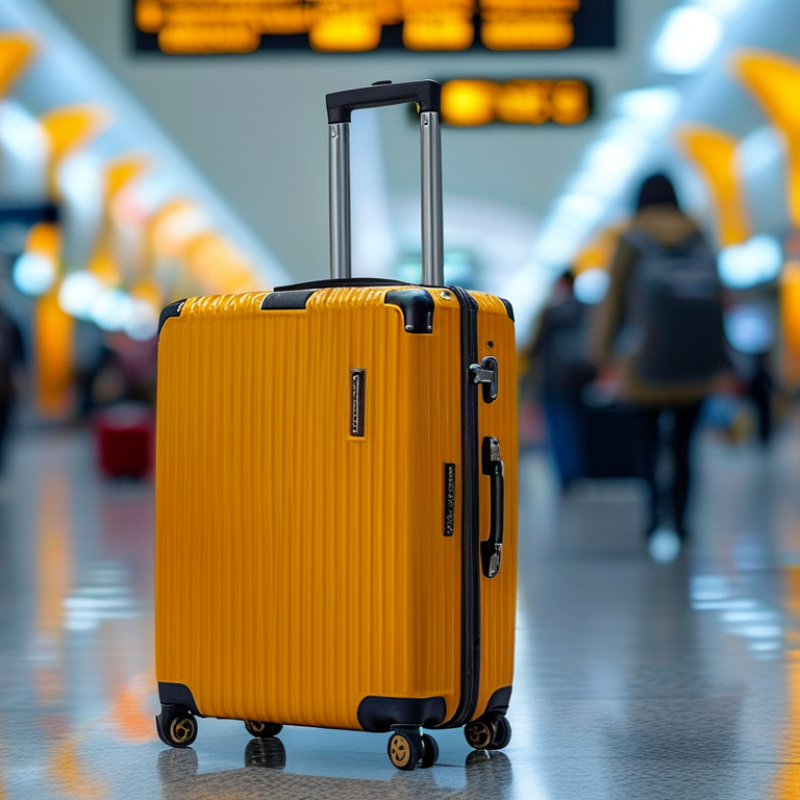
Why Choose a Travel Bag for Long Trips?

What Defines a Travel Bag for Long Trips

On long trips, a travel bag is defined by how it manages changing days, not by its empty appearance. I have tested bags through train platforms, narrow guest rooms, and sudden rain. Useful design keeps essentials reachable while protecting items that cannot be replaced easily. A firm base, balanced handles, and reliable closures matter more than decorative features. Small details matter.

For several-day use, capacity must support clothing, toiletries, documents, and extra space. Overpacking makes lifting awkward and increases strain on zippers and seams. I prefer separate compartments, but they should not become rigid puzzles. A wet shirt needs isolation. Shoes need a washable section. The bag should remain stable when partly filled, because long journeys rarely follow perfect packing plans. In my experience, wheels help on smooth floors, while padded straps perform better on stairs and uneven sidewalks. Weight reveals flaws.

A long-trip bag also needs trustworthy materials and repairable construction. Strong stitching, reinforced stress points, and water-resistant fabric improve daily reliability. However, no fabric stays fully weatherproof forever. I check the lining, fasteners, handle attachments, and published load limits before buying. Measurements can mislead; thick padding may reduce usable space. I once chose extra pockets and regretted the lost capacity. That mistake changed my priorities. On a long route, adaptability may mean opening one compartment beside a station bench without unpacking everything.

How Travel Bags Support Extended Journey Needs

A travel bag supports an extended journey by organizing the small demands that accumulate over many days. Clean shirts, charging cables, medication, documents, and a pair of damp socks need separate spaces. A structured main compartment reduces daily unpacking. Exterior pockets keep passports and tickets within reach. Wheels or padded shoulder straps also matter when a station platform changes unexpectedly.

Industry data explains why durability and organization deserve attention. SITA’s 2024 Baggage IT Insights report recorded 6.9 mishandled bags per 1,000 airline passengers in 2023. A practical travel bag cannot prevent every handling mistake, but identification panels and internal compartments can make recovery less chaotic. The International Air Transport Association reported about 4.4 billion passenger journeys in 2023. More journeys create more crowded terminals, tighter storage areas, and greater pressure on luggage systems.

After several long trips, I have learned that capacity is not everything. I still pack too many “useful” items sometimes. That is worth questioning. A lighter bag can reduce fatigue during a ten-minute walk between connections. Water-resistant fabric protects clothes during a sudden street shower, while compression straps stop contents from shifting. However, excessive pockets can slow access. A bag should support real routines, not merely look technically impressive. The best choice balances weight, accessibility, security, and repairability for the journey ahead.

Key Features to Consider When Choosing a Travel Bag

Why Choose a Travel Bag for Long Trips?

Key Features to Consider When Choosing a Travel Bag

Choosing a travel bag for a long trip means planning for movement, weather, and repeated handling. A practical bag should balance capacity with manageable weight. I prefer compartments that separate shoes, chargers, documents, and worn clothing. However, too many pockets can waste space and add weight. Simplicity sometimes works better.

Durability deserves serious attention. SITA’s Baggage IT Insights 2024 reported 6.9 mishandled bags per 1,000 passengers in 2023. Strong zippers, reinforced seams, and protected handles can reduce damage risks during transfers. Look for abrasion-resistant fabric and wheels that roll smoothly over uneven pavement. Water resistance helps. It is not waterproofing.

Comfort also matters after several hours of walking. Adjustable straps, padded handles, and a balanced frame can reduce shoulder and back strain. The bag should fit airline size rules, but these limits vary between carriers. Check the specific airline before departure. A built-in tracking pocket can support organization, while an external identification label speeds recovery if luggage is misplaced. According to the Travel Goods Association, luggage design increasingly emphasizes lightweight construction and versatile use. I still think buyers can overvalue appearance. A stylish bag with poor wheel stability becomes exhausting by day three.

How to Match a Travel Bag to Your Trip Type

A long trip becomes easier when your travel bag matches the way you move. For train-heavy journeys, choose a soft bag with flexible sides and strong handles. It fits under seats more easily and remains practical on crowded platforms. Wheels help on smooth floors, but they can struggle on broken sidewalks. I have learned this after dragging a loaded bag over several rough blocks.

For hiking or rural travel, a supportive backpack is usually more suitable. Look for adjustable shoulder straps, a padded waist belt, and breathable back material. A rain cover protects clothing when weather changes suddenly. Keep heavier items close to your spine. Small pockets should hold tickets, chargers, and a water bottle without forcing you to unpack everything. Test the bag while fully loaded. An empty bag can feel perfect and become uncomfortable after an hour.

Business trips require a different balance. A structured travel bag can protect documents and keep shirts from becoming badly crushed. Separate compartments make security checks and hotel unpacking less stressful. For mixed trips, such as meetings followed by sightseeing, choose a compact bag with durable fabric and quiet wheels. Avoid selecting extra capacity just because it looks useful. More space often encourages overpacking, and carrying that weight quickly affects posture. I still sometimes pack one unnecessary item, usually a second pair of shoes. That mistake is worth reconsidering before every departure.

Why Choose a Travel Bag for Long Trips?

How to Match a Travel Bag to Your Trip Type

Longer trips usually require more clothing, footwear, toiletries, and activity-specific equipment. As a practical planning guide, a weekend trip often fits in a 25-liter bag, while a two-week international journey may require around 90 liters. Choose a travel bag based on trip duration, activities, weather, and how much organization you need.

Practical Ways to Organize and Use a Travel Bag

Why Choose a Travel Bag for Long Trips?

A well-organized travel bag reduces searching, repacking, and unnecessary stress during long journeys. I keep documents in a slim inner pocket, clothes in separate sections, and daily essentials near the opening. This layout matters when a train platform is crowded or a hotel room is poorly lit.

The 2024 SITA Baggage IT Insights report recorded 6.9 mishandled bags per 1,000 passengers in 2023. A clearly labeled, structured bag cannot prevent every error, but it can make identification and recovery easier. It also helps me notice missing items sooner.
Tips: Pack by use, not by clothing type. Keep a small pouch for chargers, medicine, and earplugs. Place one clean outfit near the top. Use a refillable bottle after security checks. Heavy items should sit low and close to your back. Leave some empty space.

I usually prepare a simple arrival kit: sleepwear, toiletries, and tomorrow’s clothes. That prevents unpacking everything at midnight. Roll soft garments, but fold shirts that wrinkle easily. A compact laundry bag keeps worn socks away from clean layers. I still overpack sometimes, especially when the weather forecast changes. That is a useful warning, not a success.

The Global Business Travel Association reported that global business travel spending reached about 1.48 trillion dollars in 2024, showing how often people manage luggage under time pressure. Practice helps, but a practical system matters more than perfect packing.

FAQS

: What makes a travel bag suitable for long trips?

: It should manage changing routines, not just look spacious when empty. A firm base, balanced handles, and reliable closures improve daily use. Small details matter.

How much capacity should a long-trip bag provide?

It should hold clothing, toiletries, documents, and a little extra space. Leave room for unexpected purchases or damp clothing. Avoid packing every corner.

Are separate compartments useful?

Yes, when they simplify access instead of creating rigid packing puzzles. Keep shoes in a washable section and wet clothing away from clean layers. Too many pockets can slow you down.

Are wheels or padded straps better?

Wheels work well on smooth floors and long terminal corridors. Padded straps help on stairs, uneven sidewalks, and short walks. The route decides.

Which materials support extended travel?

Water-resistant fabric, strong stitching, and reinforced stress points improve reliability. Check handle attachments, fasteners, lining, and published load limits before buying. No fabric stays fully weatherproof forever.

How can organization reduce travel stress?

Keep documents in a slim inner pocket and daily essentials near the opening. Place one clean outfit on top for late arrivals. That saves time.

How should heavy items be packed?

Place heavy items low and close to your back. Use a small pouch for chargers, medicine, and earplugs. Leave some empty space.

How can travelers protect belongings during baggage handling?

Use clear identification details and internal compartments for easier recovery. A structured bag cannot prevent every handling mistake. I still overpack sometimes.

Conclusion

A travel bag for long trips is designed to provide reliable storage, comfort, and flexibility throughout an extended journey. Unlike a small day bag, it should hold clothing, toiletries, electronics, documents, and other essentials while remaining manageable to carry. Understanding how to choose a travel bag for long trips means considering its size, weight, durability, compartment design, carrying options, weather resistance, and overall ease of access. A well-planned bag can reduce packing stress and help keep belongings organized from departure to arrival.

The best choice also depends on the type of trip. A bag for city exploration may prioritize mobility and compact organization, while a longer outdoor or multi-stop journey may require stronger materials and greater capacity. Using packing cubes, separating frequently used items, and keeping valuables in secure compartments can improve efficiency. By matching the bag’s features to the destination, travel style, and length of stay, travelers can enjoy greater convenience and comfort throughout their journey.

Charlotte

Charlotte

Charlotte is a seasoned marketing professional with a deep understanding of the company's portfolio and a passion for elevating its presence in the market. With a keen eye for detail and a commitment to excellence, she ensures that our professional blog is regularly updated with insightful articles......