How to Choose a Backpack with the Best Features?

Time:2026-09-11 Author:Aria
0%

Choosing a backpack is no longer only about color, brand, or storage space. Daily users need comfort, durability, organization, and protection from changing conditions. The question “what features should a good backpack have” deserves a practical answer, supported by evidence rather than attractive product language.

The Outdoor Industry Association’s 2024 Outdoor Participation Trends Report recorded 175.8 million outdoor participants in the United States in 2023. This suggests that backpacks serve commuters, students, travelers, and hikers with very different demands. Grand View Research estimated the global backpack market at approximately USD 18.9 billion in 2023. Market growth is useful context, but it does not prove that every new feature improves performance.

Ergonomics researcher Dr. Karen Jacobs has repeatedly emphasized the importance of proper backpack fit, often summarized as: “Fit matters more than fashion.” A well-designed pack should place padded shoulder straps close to the neck, distribute weight evenly, and keep heavier items near the back. A sternum strap can reduce shifting on crowded trains or uneven trails. Breathable mesh may reduce sweat, though it cannot solve poor sizing.

Look for reinforced stitching, smooth zippers, water-resistant fabric, and a stable base. Laptop protection matters too. Yet more pockets can create clutter, and excessive padding can increase weight. That trade-off is easy to overlook. A reliable choice balances capacity with restraint. This guide examines the features that matter in real use, where a wet sidewalk, a crowded commute, or a long walk can expose weaknesses quickly.
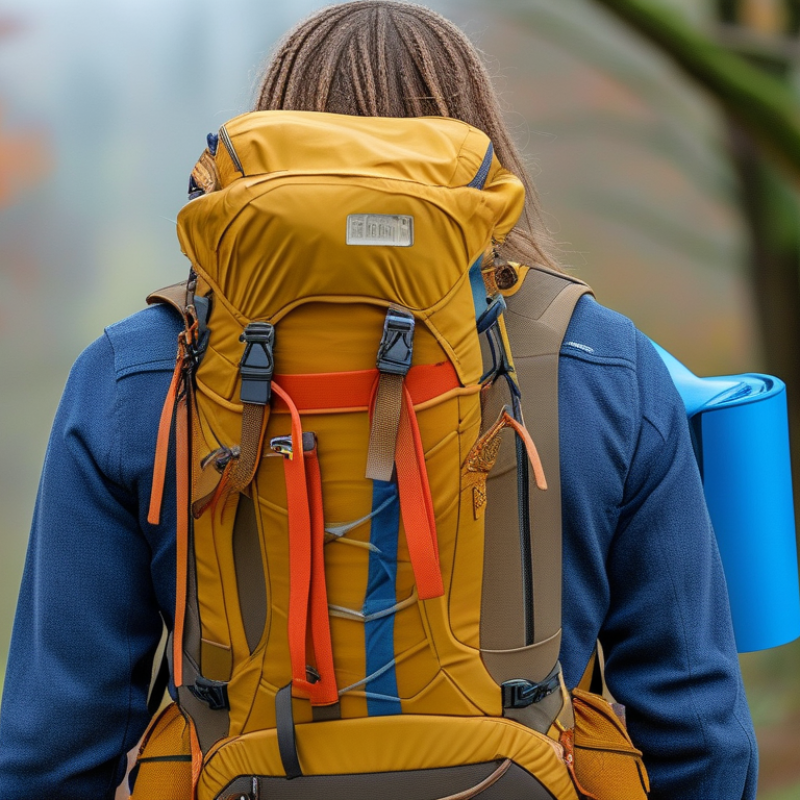
How to Choose a Backpack with the Best Features?

Define Your Backpack’s Purpose and Carrying Requirements

How to Choose a Backpack with the Best Features?

Define Your Backpack’s Purpose and Carrying Requirements

A backpack should match your routine before it matches your style. The 2024 Outdoor Participation Trends Report recorded 175.8 million U.S. participants in outdoor recreation during 2023. That figure reflects many needs, from short walks to overnight trips. A daily commuter may need a padded laptop sleeve, quick-access pockets, and weather-resistant fabric. A weekend hiker may need a supportive frame, hydration access, and room for layered clothing. These are different tools.

Start with the load, not the color. The American Academy of Pediatrics advises keeping a child’s backpack below 15% of body weight. Adults should also treat this percentage as a useful warning, not a perfect rule. Measure the items you carry on a normal day. Then add water, food, and emergency layers. I still overpack sometimes. That habit exposes a simple problem: more capacity can encourage heavier loads. A 20-liter pack may be enough for work, while a 45-liter pack suits multi-day travel.

Fit deserves a practical test. Place the heaviest items close to your back. Tighten the hip belt before the shoulder straps. Walk for ten minutes with your real equipment inside. Notice pressure near your neck, lower back, and hips. Small discomfort matters. However, preferences differ, and one fitting method cannot suit every body. Choose adjustability over impressive feature counts. Fancy compartments are useless when the pack shifts, pinches, or stays half empty.

Compare Capacity, Compartments, and Organizational Features

Choosing a backpack starts with capacity, but bigger is not always better. For daily commuting, 18 to 25 liters often holds a laptop, notebook, charger, lunch, and a light jacket. Travel may require 30 liters or more. Check the internal dimensions, not only the advertised volume. A narrow 25-liter bag can feel smaller than expected. I once chose a spacious model that became uncomfortable when half full. That mistake changed how I compare backpacks.

Compartments should match your routine. A padded laptop sleeve protects equipment, while a separate main section keeps clothing away from cables. Small pockets are useful for keys, cards, and earbuds, but too many create clutter. Look for a quick-access pocket near the top and a hidden pocket against your back. Zippers should open smoothly and stay closed when the bag is upright. Organization should reduce searching, not add extra steps. Consider whether the compartments fit your actual items. Some designs look clever but waste usable space.

Tips: Pack the items you carry most often before buying. Measure your laptop and water bottle. Try the backpack with weight inside. Check whether the shoulder straps pinch. A breathable back panel helps during warm commutes. Adjustable straps matter more than decorative features. Also, rethink your habits. You may not need a dedicated pocket for everything. Simpler storage can be faster.

Evaluate Materials, Durability, and Weather Resistance

A backpack’s fabric should match your daily weather, not just its marketing label. I once chose a light pack because its fabric felt tough. After one wet commute, water entered through the zipper and bottom seams. That mistake changed how I assess materials.

The 2024 Textile Exchange Materials Market Report recorded about 124 million metric tons of global fiber production in 2023. Polyester represented roughly 59 percent of that volume. Its strength and quick drying make it practical, but fiber content alone proves little. Check denier, weave density, coating quality, and recycled content claims. A tightly woven fabric with reinforced panels usually handles abrasion better than thin fabric with a higher-sounding denier.

Weather resistance needs measurable evidence. Look for hydrostatic-pressure results tested under ISO 811 or equivalent methods. A higher water-pressure rating generally indicates stronger fabric resistance, but it does not guarantee a dry interior. Seams, stitching holes, roll-top closures, and zipper construction often fail first. The International Electrotechnical Commission’s IP Code also shows why ratings need context: protection from water jets differs from protection during temporary immersion. Ask for the exact test condition.

Check the base after setting the bag on wet pavement. It should feel structured, not soft or absorbent. Pull the shoulder-strap stitching gently. Weak thread movement is a warning. I still overvalue fabric texture sometimes; hands cannot measure coating breakdown, cold-weather cracking, or long-term hydrolysis. Product test reports and repair policies deserve equal attention.

How to Choose a Backpack with the Best Features? - Evaluate Materials, Durability, and Weather Resistance

Material or Feature Typical Weight Abrasion Resistance Weather Resistance Best Use Selection Notes
210D Nylon Very light Moderate Good with coating Day hikes and travel Reduces pack weight, but thin fabric is more vulnerable to sharp objects and heavy abrasion.
420D Nylon Light to medium Good Good with coating General outdoor use A practical balance between low weight, flexibility, durability, and water resistance.
500D–1000D Nylon Medium to heavy Very high Good to very good with coating Rugged travel and work use Handles repeated abrasion well, although it adds weight and may feel less flexible.
600D Polyester Medium Good Good with coating School, commuting, and travel Generally resists ultraviolet exposure better than nylon, while remaining affordable and durable.
Waxed Canvas Heavy High Moderate to good Urban use and light outdoor activities Naturally resists light rain, but it can absorb water during prolonged exposure and needs periodic rewaxing.
Water-Resistant Coating Adds little weight Does not improve abrasion by itself Improves surface protection Daily rain protection A coating helps water bead on the fabric, but it may wear down with use and washing.
Waterproof Fabric and Sealed Seams Medium to heavy Depends on fabric Very high when properly constructed Heavy rain and wet environments Look for sealed or taped seams, covered zippers, and a roll-top or storm-flap closure for stronger protection.

Backpack Feature Evaluation Checklist

Feature Recommended Standard Why It Matters Priority
Reinforced Base Double-layer fabric or a durable bottom panel Protects the area most exposed to floors, rocks, dirt, and moisture. High
Bar-Tacked Stress Points Extra stitching at shoulder straps, handles, and hip-belt anchors Reduces the risk of tearing where concentrated loads are applied. High
Quality Zippers and Pulls Smooth operation with protected zipper garages or storm flaps Improves access and limits water entry through openings. High
Padded Back Panel Breathable padding with ventilation channels Improves comfort and reduces heat buildup during extended carrying. Medium
Adjustable Load Support Adjustable sternum strap and padded hip belt for larger loads Helps distribute weight and improve stability on longer trips. High for hiking
Rain Cover or Roll-Top Closure Integrated cover or a properly overlapping roll-top Provides stronger protection during sustained rain than fabric coating alone. High in wet climates

Note: Denier indicates yarn thickness, not complete fabric strength. Actual durability and water resistance also depend on weave, coating, stitching, seam construction, zipper design, and maintenance.

Assess Comfort, Fit, Support, and Weight Distribution

How to Choose a Backpack with the Best Features?

Comfort starts with fit, not padding. Measure your torso from the base of your neck to the top of your hips. The shoulder straps should follow your body without digging into your collarbones. A sternum strap can reduce strap movement, especially on stairs or uneven ground. The American Academy of Pediatrics advises keeping a child’s backpack at 10% to 15% of body weight. Adults should also treat that range as a useful warning, not a target. Heavy loads become uncomfortable quickly.

Support depends on proper adjustment. Place dense items close to your spine and near the middle of the bag. This reduces pulling and limits unnecessary trunk movement. A padded hip belt should sit on the upper hip bones, not the waist. It should carry much of the load while the shoulder straps stabilize the pack. NIOSH ergonomic guidance supports keeping loads close to the body and avoiding awkward postures. The back panel should feel firm, but excessive stiffness can create pressure points.

Test the backpack with real items. Walk, bend, and climb stairs. Check whether the contents shift. I once chose thick padding over a better fit, and my shoulders still hurt after an hour. That mistake changed my method. Weight matters too. Outdoor Industry Association participation reports show continued growth in day hiking, where lighter equipment can improve comfort during repeated use. Still, “light” is not automatically better. A weak frame may distribute weight poorly. A small fitting flaw can matter more than several extra ounces.

Check Security, Accessibility, and Useful Special Features

Security should feel practical, not theatrical. Choose lockable zippers, a hidden passport pocket, and fabric that resists light rain. A secure pocket works best when it sits against your back, not beneath loose clothing. Look for smooth zipper paths and pulls you can operate with one hand. Small details matter.

Accessibility deserves equal attention. The World Health Organization’s Global Report on Health Equity for Persons with Disabilities estimates that 1.3 billion people live with significant disabilities. A backpack should not assume perfect grip, vision, or strength. Wide openings, contrasting lining, padded handles, and adjustable chest straps can reduce daily friction. I prefer bright interiors because black fabric hides cables and keys. That choice is simple, but useful.

Special features should solve real problems. SITA’s 2024 Passenger IT Insights report highlights continued passenger demand for digital travel services and clearer baggage information. A luggage pass-through, tracker sleeve, water-resistant laptop compartment, or quick-access phone pocket can support that routine. Avoid stuffing every feature into one bag. Extra compartments add weight and can create confusing clutter. I once bought a highly organized backpack and still lost my charging cable inside it. Test the layout with your usual items: a bottle, laptop, notebook, and keys. Walk with it fully loaded. The best design may still fail if the straps slip or the back panel traps heat.

FAQS

: What should I check when evaluating backpack fabric?

: Check denier, weave density, coating quality, and reinforced panels. A tight weave may resist abrasion better than thin, high-denier fabric. I sometimes trust texture too much. Hands cannot reveal coating failure.

Does polyester automatically make a backpack durable?

No. Fiber type alone proves little. Stitching, coatings, panel reinforcement, and construction also matter. Quick drying helps after rain, but weak seams still fail.

How can I judge a backpack’s weather resistance?

Look for hydrostatic-pressure testing under a recognized method. Ask about the exact test conditions. Ratings do not guarantee a dry interior. Zippers, seams, and bottom panels often leak first.

What should the backpack base feel like?

It should feel structured, not soft or absorbent. Place it on wet pavement briefly. Check whether moisture reaches the interior. This simple test is useful, but not perfect.

How should a backpack fit my body?

Measure your torso from the neck base to the top of your hips. Shoulder straps should follow your body without pressing your collarbones. A sternum strap can reduce movement. Fit matters more than thick padding.

How should I distribute weight inside the backpack?

Place dense items near your spine and around the bag’s middle. Use the hip belt on your upper hip bones. Load it fully, then walk and climb stairs. Try it loaded.

Which security features are genuinely useful?

Choose smooth zippers, lockable pulls, and a pocket close to your back. A hidden pocket can protect small travel documents. Test one-handed access before buying. Complicated systems may slow you down.

How can a backpack improve accessibility?

Wide openings, contrasting lining, padded handles, and adjustable straps reduce daily friction. Bright interiors make keys and cables easier to find. Design should not assume perfect grip, vision, or strength.

Are many compartments worth having?

Only when they match your routine. Test the layout with a bottle, laptop, notebook, and keys. Extra pockets add weight and clutter. I once bought an organized bag and still lost my charging cable.

Conclusion

Choosing the right backpack begins with understanding how and where you plan to use it. Consider the items you usually carry, the required capacity, and whether you need separate compartments for technology, clothing, documents, or small accessories. A well-designed interior can improve organization and make daily access more convenient. When asking, “what features should a good backpack have,” also examine the materials, stitching, zippers, and weather-resistant qualities to ensure the bag can handle regular use and changing conditions.

Comfort is equally important, especially for longer periods of carrying. Look for adjustable shoulder straps, breathable padding, supportive back panels, and balanced weight distribution. The backpack should fit your body without feeling bulky or unstable. Finally, evaluate practical features such as secure closures, easily accessible pockets, reflective details, luggage compatibility, or dedicated device protection. The best choice combines durability, organization, comfort, security, and useful features while matching your personal carrying needs.

Aria

Aria

Aria is a dedicated marketing professional with a deep passion for innovative strategies and a keen understanding of our company's product offerings. With a wealth of experience in the industry, Aria excels at crafting engaging content that highlights the unique features and benefits of our......