Choosing the right luggage can shape your entire international journey. A secure bag protects your passport, medication, electronics, and personal essentials while reducing daily stress. But what is the safest travel bag for international travel? The answer depends on your destination, transport plans, packing habits, and comfort needs.
Experienced travelers usually look for cut-resistant materials, lockable zippers, hidden compartments, and strong, water-resistant construction. A compact crossbody bag may work well in crowded stations, while a durable backpack can suit long walks and changing train platforms. RFID-blocking pockets may help organize payment cards, although they should not replace careful awareness. Keep important documents close.
Practical safety also involves responsible use. A bag should remain easy to carry, visible, and within reach, rather than overloaded with unnecessary features. Check its stitching, strap attachments, zipper quality, and weight before trusting it on a long trip. Manufacturer testing and independent reviews can offer useful evidence, but marketing claims deserve careful attention. No travel bag is completely theft-proof, and that reality is easy to forget when shopping. I have found that simple designs often feel more reliable than complicated ones, though personal experience is not perfect evidence. Weather, crowded streets, airport security, and hotel storage all create different risks. This guide compares travel bags through those real-world situations, focusing on security, comfort, durability, organization, and sensible travel habits. Safety first. The best choice is practical, discreet, and suitable for the journey ahead.
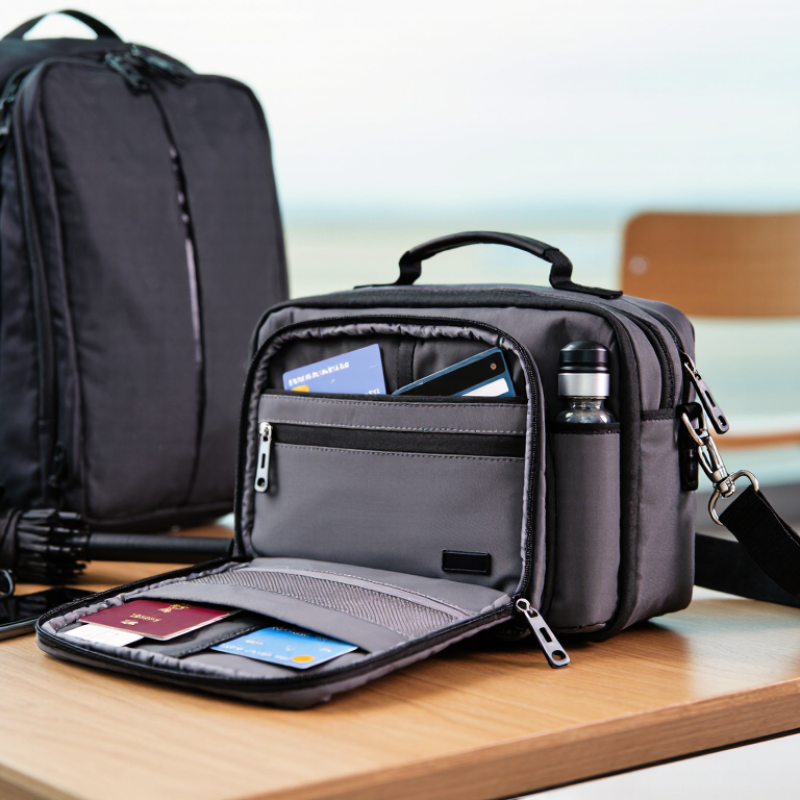
The safest travel bag is not simply the strongest or most expensive. It should reduce several risks at once: theft, loss, damage, and poor access during an emergency. A compact bag with lockable zippers, hidden compartments, and cut-resistant materials can discourage opportunistic theft. However, security features do not replace awareness. Keep passports, medication, and backup payment methods in separate locations. A bag can be secure and still become a serious problem if everything is stored inside it.
Tips: Choose a bag with comfortable straps, water-resistant fabric, and visible identification inside. Use a plain exterior, since attention can create unnecessary risk. Photograph your bag and its contents before departure. Record essential document details securely, but avoid carrying unnecessary copies. Test every zipper and buckle at home. Small failures matter.
For checked luggage, damage and loss deserve equal attention. A durable frame, protective padding, and a name card inside may improve recovery chances. Yet no design guarantees safe handling. I still think travelers often overvalue hard shells and undervalue organization. Keep fragile items in protective sleeves, and carry essentials in your personal bag. During an emergency, quick access matters more than perfect packing. Leave one pocket partly empty for documents, water, or basic medical supplies. The safest choice is usually the bag you can control, identify, and carry comfortably for hours.
Choose a medium-sized bag with a durable shell and reinforced corners. It should have secure zippers, a discreet identification card, and tracking-device space. Bigger is not always safer.
It can show whether your bag remains at the airport or moves toward delivery. A 2024 global baggage report recorded 6.9 mishandled bags per 1,000 passengers. Tracking reduces uncertainty, but it cannot guarantee recovery.
Weak signals, dead batteries, and incorrect contact details can cause problems. Check the device before leaving home. Keep a paper phone number inside the bag. I once trusted the app too much.
Yes. Contact the airport baggage desk even when the location appears clear. Technology supports human follow-up. It does not replace a report.
Select a hardened zipper system and an independently tested combination lock. Avoid exposed zipper pulls that may catch on conveyor equipment. A lock only slows access.
Look for reinforced seams, protected corners, and wheels inside strong housings. Water-resistant lining helps when the bag rests on wet ground. Repairable construction may matter more than an extra-thick shell.
Adjust the handle until it reaches your wrist naturally. Padded straps should lie flat without pressing against your neck. Test the bag with your actual travel shoes. Empty bags can mislead you.
Keep medication, documents, and one change of clothes with you. Photograph the checked bag before departure. Place a charged tracker beside a paper contact card. Simple safeguards still matter.
Choosing what is the safest travel bag for international travel depends on more than appearance or capacity. A safe bag should reduce the risk of theft, loss, damage, and inconvenience during emergencies. In 2023, IATA reported 6.9 mishandled bags per 1,000 airline passengers, showing why secure organization and reliable construction matter. Look for strong, durable materials, dependable zippers, lockable compartments, and an ergonomic design that remains comfortable when carried through airports or during long transfers.
Travelers should also follow FAA and TSA guidance by keeping spare lithium batteries in carry-on baggage and storing them safely to prevent damage. Tracking technology can further improve recovery prospects, reflecting SITA’s 2024 insights into smarter baggage management. A practical safety checklist should include secure locks, reinforced handles, smooth-rolling wheels, water-resistant construction, visible identification, and a comfortable fit. The ideal bag balances protection, accessibility, and portability without becoming too heavy or difficult to manage.

 ESRT Life