Air travel can be a thrilling experience, but it often brings concerns regarding luggage safety. Many travelers wonder, "why do suitcases get damaged during flights?" This question arises frequently as people deal with the wear and tear of their bags. From the moment luggage is checked in, it undergoes a series of stressful events. Baggage handlers, conveyor belts, and turbulent conditions all play a role in potential damages.
Every piece of luggage faces harsh treatment. It is tossed, dropped, and sometimes crushed during transit. Even sturdy suitcases can suffer scratches, dents, or broken zippers. Observing these realities can lead to frustration, especially when the suitcase holds valuable items. Travelers need to reflect on how they prepare their luggage for travel. Choosing the right materials and incorporating protective measures may help reduce damage.
Through my experience as a frequent traveler, I've seen firsthand how simple actions can prevent issues. Using hard-shell luggage, reinforcing weak points, and labeling your suitcase clearly can make a difference. However, the unpredictability of air travel means damage is sometimes unavoidable. It’s essential to accept this possibility and remain proactive in safeguarding your belongings.
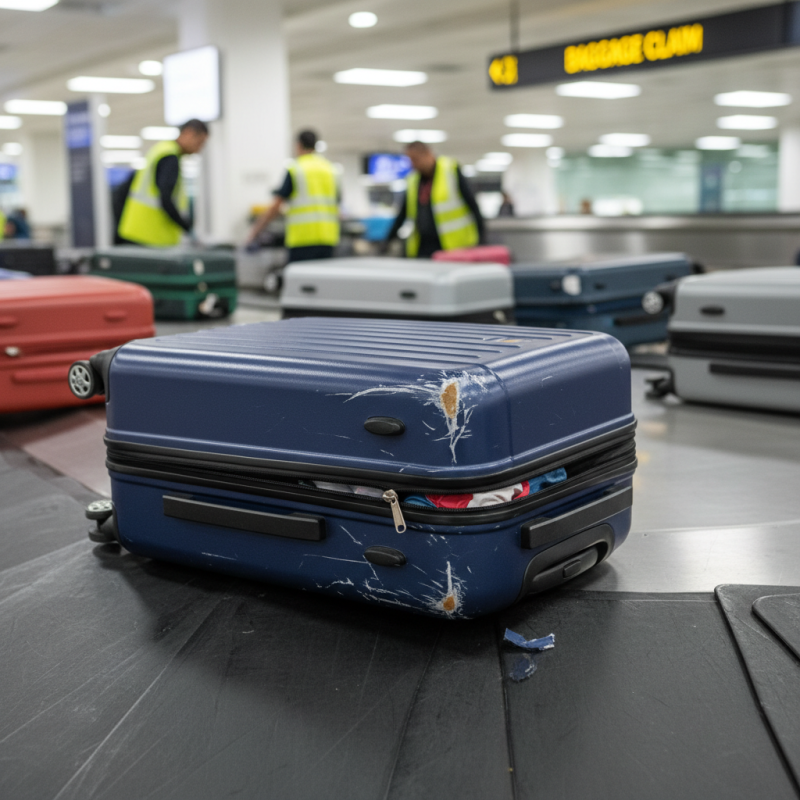
Suitcases often get damaged during flights due to various factors. Handling by airport staff can be rough. Luggage is tossed onto conveyor belts and into cargo holds. This mishandling can result in scratches, dents, or broken zippers. Additionally, suitcases can be exposed to extreme temperatures and pressure changes, which may weaken materials over time.
Tips for protecting your suitcase include using a hard-shell case. These are less prone to denting. Adding a durable luggage cover can also help. It acts as an extra layer of protection against scuffs and sharp objects. Ensure that all zippers and seams are intact before your trip. A damaged zipper can worsen during transport.
Packing strategically is equally important. Distributing weight evenly can prevent added stress on your suitcase’s structure. Avoid overpacking; it may compromise the case's integrity. Fragile items should be wrapped securely. Consider placing them in the center of your suitcase, surrounded by clothes. This approach provides cushioning against impacts.
Travelers often face various types of suitcase damage during flights. One common issue is scratches. Baggage handlers, in their haste, tend to toss bags. This can lead to unsightly scuffs and marks on the surface. Another frequent problem is broken wheels. Suitcases are dragged, bumped, and sometimes completely upended. This puts a lot of stress on the wheels, especially during connections.
A more severe type of damage involves broken zippers. Often, overstuffed bags struggle under the weight. As the bag passes through equipment, the zipper can break or get caught. This can lead to lost items or a compromised suitcase. Additionally, cracked shells are a concern, especially for hard-shell suitcases. They can fall from a height, resulting in cracks that compromise durability.
To reduce these risks, consider investing in protective covers. They provide an extra layer of security against scratches and scuffs. Additionally, check that your suitcase has robust wheels and zippers. Before your next trip, assess your luggage for any wear and tear. By staying proactive, you can prevent many of the common damages that occur during flights.
When traveling, many passengers deal with damaged suitcases. Understanding the factors contributing to suitcase wear and tear can help travelers protect their belongings. Baggage handling practices at airports often lead to injuries. Suitcases are tossed, dropped, and stacked without care. This rough treatment can cause scratches, dents, and even broken zippers.
Material quality plays a significant role. Cheap plastic cases are more prone to cracks. In contrast, high-quality materials like polycarbonate offer better resistance. However, even the best materials can't guarantee safety from airline mishandling. Furthermore, overpacking increases pressure on seams and zippers. This can lead to unexpected failures during transit.
Travelers should consider protective measures. Using a sturdy luggage cover can shield against abrasion. Wrapping fragile items in clothing provides an added layer of protection. Proper packing reduces stress on the suitcase. Yet, many neglect these steps, leading to disappointment. Reflecting on packing habits may help prevent future damage. Ultimately, awareness and preparation are key in minimizing wear and tear.
| Factor | Description | Prevention Method |
|---|---|---|
| Handling by Staff | Suitcases are often tossed or roughly handled during loading and unloading. | Use a durable suitcase with reinforced corners. |
| Baggage System | Conveyors can cause scratches and damages due to rough surfaces. | Choose suitcases with a protective coating and smooth surfaces. |
| Temperature Changes | Extreme temperatures can affect suitcase materials. | Store in temperature-stable areas before and after flights. |
| Overpacking | Excess weight can stress zippers and seams leading to damages. | Follow weight limits and use a proper packing technique. |
| Durability of Materials | Cheap materials are prone to scratches and tears. | Invest in high-quality luggage designed for travel. |
When traveling, protecting your luggage is crucial. Suitcases often get damaged during flights due to rough handling. Passengers should understand how to minimize these risks. One effective measure is to choose a hard-shell suitcase. Hard-shell cases provide extra protection against impacts and rough baggage handling. Look for luggage with reinforced corners. These features can withstand pressure better.
Another crucial step is to use luggage tags. Not only do they help identify your suitcase, but they can also deter theft. Securely fasten your tag to avoid losing it during transit. Consider wrapping your suitcase in protective plastic film at the airport. This adds an extra layer of defense against scratches and dents.
Be aware that some methods may not guarantee full protection. Even with all precautions, accidents can happen. Reflect on these realities when packing. Think twice before overloading your suitcase. Keep fragile items close and consider adding padding for extra safety. These small tips can make a significant difference in keeping your luggage safe.
Choosing the right suitcase for air travel can significantly affect your travel experience. Studies show that about 30% of luggage gets damaged during flights. Many travelers underestimate the importance of selecting suitable materials and designs. Hard-shell suitcases often withstand impacts better than soft-shell variants. Look for cases with reinforced corners and durable zippers.
Weight also plays a critical role. Airlines have strict weight limits, and heavier suitcases can lead to extra fees. Thus, a lightweight option is a smart choice. According to a report by the International Air Transport Association, nearly 21 million bags are mishandled each year. Selecting a suitcase with identifiable colors may prevent mix-ups.
Not all features are beneficial. Some compartments can increase the risk of damage, making it harder to organize neatly. Travelers should also avoid overpacking. Bulging luggage is prone to sustain damage. Finding the balance between style and durability is essential for safe travels. Consider these factors carefully before your next flight.
: Suitcases often suffer damage due to rough handling by airport staff. They are tossed around, leading to scratches and dents.
Use a hard-shell suitcase. It is more resistant to dents and impacts than soft-shell cases.
Inspect all zippers and seams. A damaged zipper can worsen during transport and lead to further issues.
Distribute weight evenly throughout your suitcase. Avoid overpacking to maintain the suitcase's structural integrity.
Yes, luggage tags help identify your suitcase and can deter theft. Secure them properly to prevent loss.
Overpacking is risky and can compromise your suitcase's integrity. It can lead to damage during handling.
Wrapping your suitcase in protective film at the airport adds an extra layer against scratches and dents.
Absolutely. Lightweight options can help avoid extra fees imposed by airlines for heavy luggage.
Not all features are beneficial. Some can increase the risk of damage, so choose wisely.
Focus on materials, durability, and color. Consider reinforced corners and avoid features that complicate organization.
Suitcases often sustain damage during flights due to a variety of factors, prompting the question: why do suitcases get damaged during flights? Common reasons include rough handling by ground staff, poor luggage transportation systems, and the inherent vulnerabilities of specific materials used in suitcase construction. Travelers frequently encounter damage such as broken wheels, cracked shells, and missing handles, all of which can be attributed to the stresses imposed during air travel.
To mitigate these issues, it's essential to take preventive measures for protecting luggage. Choosing a suitcase designed for air travel, featuring sturdier materials and reinforced areas, can significantly reduce the risk of damage. Additionally, understanding the common types of damage faced by travelers can guide individuals in selecting appropriate luggage and implementing strategies to safeguard their belongings throughout their journey.

ESRT Life