When planning a hike, knowing how to organize a backpack for hiking is essential. An effective setup can make your adventure enjoyable and stress-free. With the right organization, you can access gear quickly and prevent fatigue. Consider your needs carefully before packing.
Start by placing heavier items close to your back. This reduces strain on your shoulders. Use compartments for smaller items like maps and snacks. Keep essentials, like water and a first aid kit, easily reachable. It is easy to overlook the importance of good organization. A poorly organized pack can lead to frustration on the trail.
Reflecting on past hikes, you may realize that certain packing mistakes affected your experience. For example, forgetting to waterproof your gear can lead to damp supplies. Aim to learn from these challenges. With thoughtful consideration, you will develop skills for efficient packing. Embrace the journey and make the most out of your hiking backpack.
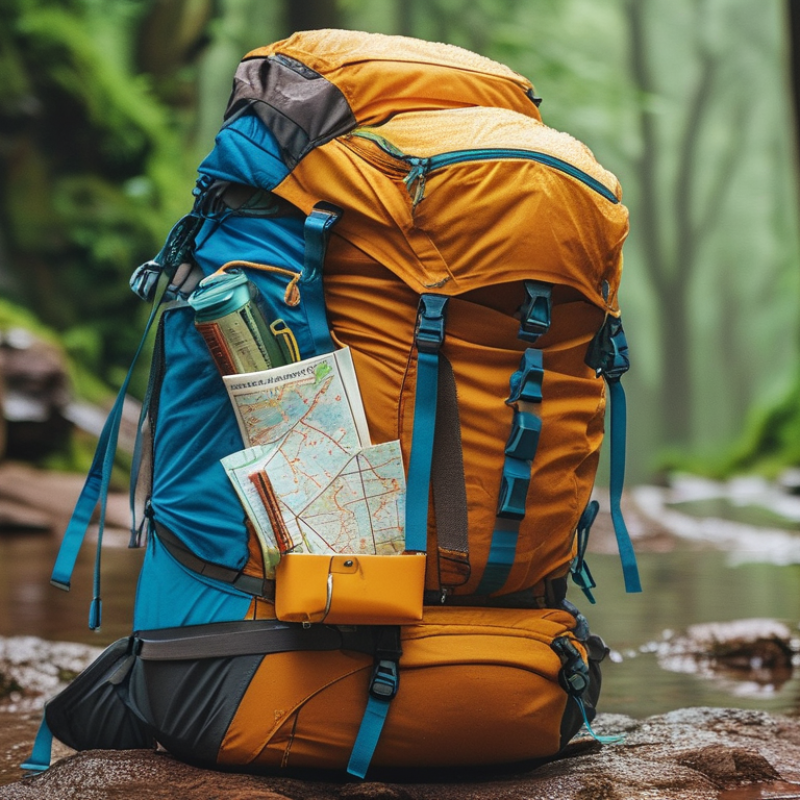
Choosing the right size and type of hiking backpack is crucial for a successful trek. Start by evaluating your intended hiking trips. Consider how long you will hike and the gear you need. A weekend backpack typically ranges from 40 to 60 liters. For day hikes, a 20 to 30-liter pack suffices. If you plan to venture into diverse terrains, multi-day backpacks may be better suited.
Think about the type of hiking you'll do. Will it be a casual walk or a challenging ascent? A heavier backpack might indicate that you are overloading yourself with unnecessary gear. Sometimes, it’s easy to underestimate how much you don’t need. Test the pack’s fit by loading it with weight and wearing it for a short time. A proper fit should feel snug yet comfortable; any discomfort could lead to fatigue during your hike.
Keep in mind the weather conditions. A waterproof bag can be a game-changer if rain threatens your adventure. Lightness and quality are essential. A heavier pack can hinder your mobility, so choose wisely. Reflecting on past hikes can help you identify what worked and what didn’t. Each hike offers a lesson in preparation and organization.
When organizing your hiking backpack, categorizing your essentials is key to an effective setup. Begin with clothing. Choose layers that offer flexibility and comfort. Include moisture-wicking base layers, insulating mid-layers, and waterproof outer layers. Folding clothes neatly can save space, but rolling them is often more effective. Also, compressible packing cubes can help keep everything in its place.
Food is another crucial category. Plan your meals for the hike and pack lightweight options. Nuts, dried fruits, and energy bars are excellent choices. Using resealable bags can help keep your food fresh. Remember to balance between quick snacks and substantial meals. A small cooking pot can also serve multiple purposes.
Lastly, focus on your gear. Prioritize what’s essential for your hike. Sleeping bags and tents should be easy to access. Keep your first aid kit within reach too. This may not prevent injuries, but it can ease your mind. For any additional items, consider their weight versus usefulness. Reflect on your previous hikes. Did you bring items you never used? Adjust your packing list accordingly for next time.
Packing a hiking backpack effectively is crucial for stability. Heavy items should be placed at the center of your pack. This technique lowers the center of gravity, improving balance. A study by the American Hiking Society shows that proper load distribution can reduce the risk of injury by over 30%. Experienced hikers suggest using waterproof bags for heavy gear to protect them from moisture.
When organizing your backpack, think about accessibility. Place frequently used items, like snacks and a map, near the top. This allows for quick access without disrupting your carefully packed load. Use compression straps to tighten the load, preventing movement during your hike. Research indicates that 65% of hikers report improved comfort when using these methods.
It's worth noting common mistakes, such as overpacking or neglecting to adjust straps. These errors can lead to discomfort and fatigue. Regularly check your load for shifts during the hike. Remember, less is often more when it comes to comfort on the trail. Aim for simplicity and functionality to enhance your hiking experience.
When it comes to organizing your hiking backpack, utilizing compartmentalization and packing cubes can make all the difference. Imagine setting off on a hike and everything you need is within easy reach.
Packing cubes come in various sizes and colors, making them an excellent choice for categorizing your gear. Group similar items together. For instance, keep your toiletries in one cube and snacks in another. This way, you'll find what you need without digging through your bag.
Consider the importance of weight distribution as well. Place heavier items closer to your back for better balance. This can help reduce fatigue during long hikes. You might find that some packing cubes are too small or too large for your gear. Reflecting on the fit of your gear in these cubes can lead to a more tailored experience.
Don't overlook the pockets on your backpack. Use them wisely for items you need frequently, like a water bottle or a map. But avoid overstuffing these pockets. Less is often more when it comes to efficiency. If your stuff is jumbled, it can cause frustration on the trail. Learning to pack efficiently is a skill that develops over time. Embrace the trial and error of organizing as part of your hiking journey.
Efficient organization of your hiking backpack can greatly enhance your trail experience. Studies show that maintaining a systematic approach helps hikers access items quickly when needed. About 56% of outdoor enthusiasts express frustration when they can't find gear at crucial moments. A well-organized pack can make a difference.
Arrange heavier items close to your back. This allows for better balance and stability on uneven terrain. Keep frequently used items, like snacks and maps, in outer pockets. Research indicates that 40% of hikers prefer easy access to essentials over carrying more gear. Color-coding gear can also aid in quicker retrieval, though it may not be practical for all. Reflect on what you need most and adjust accordingly.
It's important to regularly reassess your packing strategy. What worked on one hike may not suit another. Adjust your items based on length, season, and personal needs. Remember, even experienced hikers admit to occasional overpacking. Stay mindful of the weight and make adjustments for a smoother hike.
: Heavy items should be placed at the center for better balance and stability.
Proper load distribution can lower the risk of injury by over 30% according to research.
Place frequently used items, like snacks and maps, near the top for easy access.
Compression straps tighten your load and prevent movement during hikes, improving comfort.
Overpacking and neglecting to adjust straps can lead to discomfort and fatigue.
Regularly check your load for shifts to maintain balance and comfort.
Packing cubes help organize gear into categories for easy access during hikes.
Place heavier items closer to your back to reduce fatigue on long hikes.
Reflect on the fit of your gear in cubes; choosing the right size enhances efficiency.
Proper organization minimizes frustration and improves the hiking experience, even if it takes time to learn.
When it comes to how to organize a backpack for hiking, the key is to assess both the size and type of your backpack to ensure optimal efficiency. Start by categorizing your essentials into clothing, food, and gear, which allows for easy access and streamlined packing. Heavy items should be positioned strategically for stability, typically closer to your back and at the bottom.
Utilizing compartmentalization and packing cubes can further enhance organization, keeping smaller items separated and easily reachable. Lastly, consider how you can pack for efficient access to frequently used items on the trail, ensuring you stay prepared without unnecessary hassle. By following these tips, you'll be well-equipped for a successful hiking experience.

ESRT Life