Global travel is changing, and travel bags are changing with it. Buyers now want lighter materials, stronger construction, and flexible storage for airports, trains, and short business trips. The most visible designs combine carry-on convenience with daily usability. A bag must move easily through a crowded terminal and still fit beneath a café table.
So, what are the latest trends in travel bags? The answer goes beyond color or seasonal styling. Global buyers are increasingly examining recycled fabrics, repairable components, water-resistant finishes, and modular compartments. Some prefer expandable luggage for return journeys. Others choose compact backpacks with padded laptop sleeves, hidden pockets, and breathable shoulder straps. Rolling duffels are also gaining attention because they balance capacity with easier movement.
“Pack light,” travel expert Rick Steves has repeatedly advised through his travel guidance. That simple sentence still matters. It encourages manufacturers to reduce unnecessary weight while improving organization. Recent designs often use lightweight frames, compression panels, and removable organizers. These details can make a real difference beside a full security queue.
Still, convenience has limits. Smart tracking features may sound attractive, but they can add cost, charging needs, and technical failure points. Sustainability claims also deserve careful checking. Recycled fabric is useful, but durability should not be sacrificed for marketing language. This overview will compare the strongest travel bag trends for global buyers, including comfort, function, materials, and long-term value. Some predictions may prove wrong. That is part of the discussion.
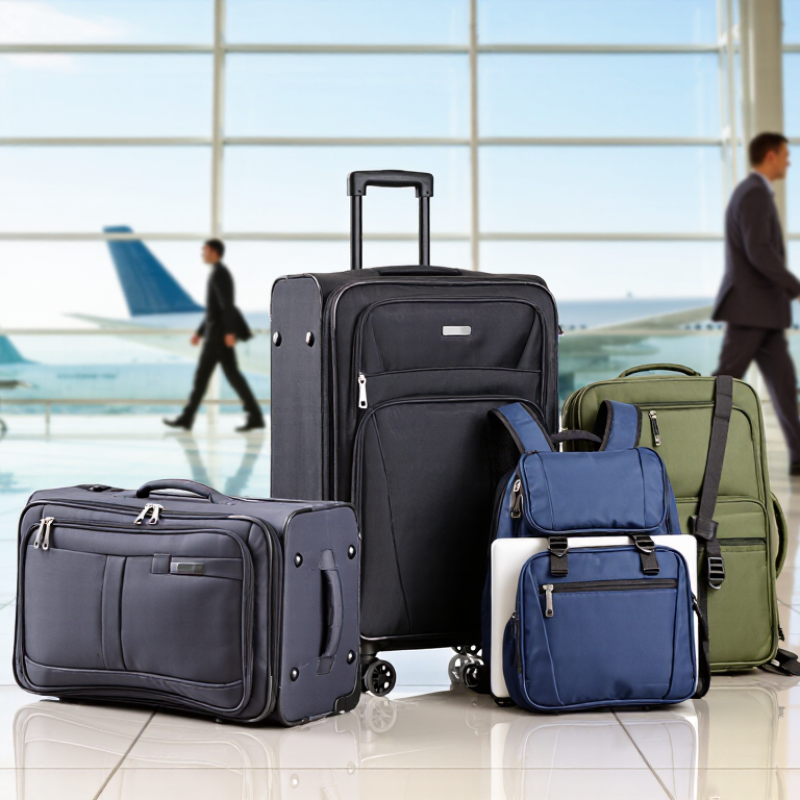
The global travel bag market is expanding with renewed international mobility. UN Tourism recorded nearly 1.4 billion international tourist arrivals in 2024, reaching 99% of 2019 levels. IATA also reported a 10.4% annual increase in global passenger demand. These figures support stronger demand for suitcases, cabin bags, backpacks, duffels, and laptop travel bags.
Market definitions remain inconsistent. Some reports include business cases and school bags, while others measure only luggage. Grand View Research forecasts an annual growth rate above 8% for the global luggage market through 2030. This difference matters for buyers. Current trends include lighter materials, expandable storage, quieter wheels, recycled fabrics, and cleaner interior layouts. Digital tracking is gaining attention, but battery rules and replacement costs can complicate adoption. The market is not perfectly measured.
Tips: Compare product weight, wheel durability, handle testing, zipper strength, and repair access. Ask for material composition and independent test records. A lower price may hide weaker hardware.
Global buyers also want flexible designs. A compact cabin bag should fit short trips, while a larger model should remain stable when fully packed. Neutral colors still support broad retail appeal, but visible textures and modular compartments help products stand out online. E-commerce images must show scale clearly. Otherwise, shoppers may misunderstand capacity. Procurement teams should test bags with realistic loads, not empty samples.
Renewed international travel is increasing demand for suitcases, cabin bags, backpacks, and duffels. Passenger demand rose strongly in recent reporting. Business travel also supports laptop bag sales.
Buyers increasingly prefer lightweight materials, expandable storage, quiet wheels, and organized interiors. Laptop sleeves and easy-access pockets are useful. Practical features matter more than decoration.
Yes, preferences vary by region, airline rules, climate, and travel habits. Some buyers prefer large carry-ons and strong zippers. Others value low weight and repairable construction.
Test wheels, handles, zippers, seams, and fabric under realistic loads. Do not rely only on photographs. Test loaded samples.A two-millimeter stitching gap can become a serious failure after repeated trips.
Request documentation for recycled fabrics and material composition. Recycled content does not guarantee long-term durability. A weak lining still creates waste.Claims need proof.
Calculate freight, duties, packaging, inspection, payment terms, and expected defects. The quoted unit price is only one part of total cost. A cheaper bag may require more repairs or returns.
Product images should show scale, internal layout, and realistic packing. Shoppers may misunderstand capacity when photos lack reference objects. A cabin bag should fit short trips without looking oversized.
Digital tracking may add convenience, but battery rules and replacement costs complicate ownership. Buyers should check charging needs and travel restrictions. The feature is useful, but not essential.
Ask for material specifications, production capacity, testing records, and corrective-action procedures. Check minimum order quantities and repair access before purchasing. Market data has limits.Online interest does not always become a completed sale.
The global travel bag market is evolving toward products that combine lightweight construction, durability, organization, and adaptable design. For buyers asking, “what are the latest trends in travel bags,” key developments include recycled and low-impact materials, minimalist silhouettes, expandable compartments, ergonomic carrying systems, and versatile formats suitable for business trips, leisure travel, and short journeys. Functional details such as laptop protection, water resistance, secure pockets, and improved interior organization are becoming increasingly important.
Sustainability and smart features are also influencing purchasing decisions, with innovations focused on repairable components, responsible material choices, tracking compatibility, and efficient space management. Regional preferences vary: some markets prioritize compact designs and mobility, while others value larger capacity, premium finishes, or multifunctional use. Buyers should compare construction quality, material performance, production consistency, pricing, minimum order requirements, customization options, and supplier reliability. A balanced evaluation of these factors can help international purchasers select travel bags that meet consumer expectations while supporting long-term value and responsible sourcing.

 ESRT Life